Recent research suggests employees may care more about profanity in the workplace than they’re willing to let on.
A 2026 international study conducted by Harris Interactive© of more than 5,600 employees across 19 countries found that while a small number of employees viewed profanity from leaders as authentic or relatable, most employees preferred leaders who communicated with professionalism, courtesy, and respect. For the majority, profanity from company leaders reduced satisfaction, weakened trust, and negatively influenced perceptions of those in charge.
While a small segment of employees who appreciated a more rebellious approach was identified, the study’s practical recommendation was clear: default to professional language because it creates the broadest level of trust, respect, and inclusion across a workforce.
That conclusion aligns with the Society for Human Resource Management’s 2025 Civility Index, which found workplace incivility continues to rise, increasing more than 21 percent over the previous year. Nearly three-quarters of employees reported their managers could be doing more to foster respectful workplace behavior. While profanity is only one form of incivility, it undeniably contributes to the overall tone employers establish.
Employees help shape workplace culture. Employers set the standard.
Whether we realize it or not, employees take their cues from workplace leaders. Even if you’re not directly managing a team in your current role, your communication style contributes to your overall reputation in the industry. Colleagues notice. Executives notice. Clients notice. The language we use becomes the language that our employees believe is acceptable. If we normalize profanity, we shouldn’t be surprised when it becomes part of meetings, client interactions, emails, and everyday conversations.
Today’s organizations spend an enormous amount of time teaching respectful communication. We encourage inclusive language. We carefully choose our words to avoid offending others. We steer clear of topics that unnecessarily divide people. We train our leadership teams on emotional intelligence, psychological safety, and respectful environments.
Why?
Because words matter.
So why does profanity get a free pass?
The way you communicate influences how employees, colleagues, clients, and company executives perceive your level of professionalism.
If our goal is to avoid offending people, shouldn’t we also acknowledge the possibility that many potential and current employees find profanity offensive, even if they don’t feel comfortable speaking up about it?
Here’s a simple question we encourage every leader to ask:
If your CEO, biggest client, or potential next hire walked into the room, would you continue speaking exactly the way you are now?
If the answer is no, perhaps you already recognize there’s a difference between casual conversation and professional communication.
This isn’t about pretending people never swear. It’s about recognizing that professionalism still matters. Respect still matters. And creating a workplace where every employee, colleague, client, and visitor feels comfortable still matters.
So, how can you implement change in your workplace?
- Lead by example, reserve casual language for casual settings. One of the easiest ways to initiate change in communication styles is to speak the way you want your employees to speak in professional settings. By eliminating profanity from your workplace vocabulary, you set a standard that new hires will match.
- Educate your staff. It’s true what they say: one bad apple spoils the whole bunch. If one person feels comfortable using casual language in professional environments, others will surely follow.
- Give company culture a seat at the table. When making hiring decisions, are you basing it solely on resume and experience? Doing so ignores a major player in setting the tone. No matter your opinion on profanity and its place in the workplace, ensuring each hire matches the culture you have, and the culture you’re striving for, will make it easier to cultivate respectful spaces.
- Set clear standards. How you expect employees to act in front of clients and colleagues shouldn’t be a guessing game. Clearly communicate what level of professionalism you expect and the type of language that professionalism includes (or doesn’t).
Small details like daily conversation may seem insignificant in the grander scheme of things, but it is often one of the strongest contributors to the overall tone of your workplace. In a world where profanity is becoming more and more normalized, simple changes to your processes and consistently upheld standards give your employees a clear example to follow.
Culture is built through one conversation, one interaction, and one hiring decision at a time. Experience and qualifications matter, but they are only part of a successful hire. Welsh & Associates looks beyond the resume to understand each potential employee’s communication style, values, goals, and fit within your organization.
Contact the Welsh & Associates team today to find talent who can help shape the culture you want to build.
STAFF SPOTLIGHT
Spencer Welsh Promoted to VP
Spencer Welsh was recently promoted to Vice President of Welsh & Associates.
Spencer joined the company in 2019 as an Executive Search Consultant. Since then, he has played an integral role in our firm’s growth, connecting organizations with exceptional talent while building trusted relationships across Michigan. His commitment to delivering results and passion for our community have helped shape the future of our company.

firm highlight
Family business alliance’s together
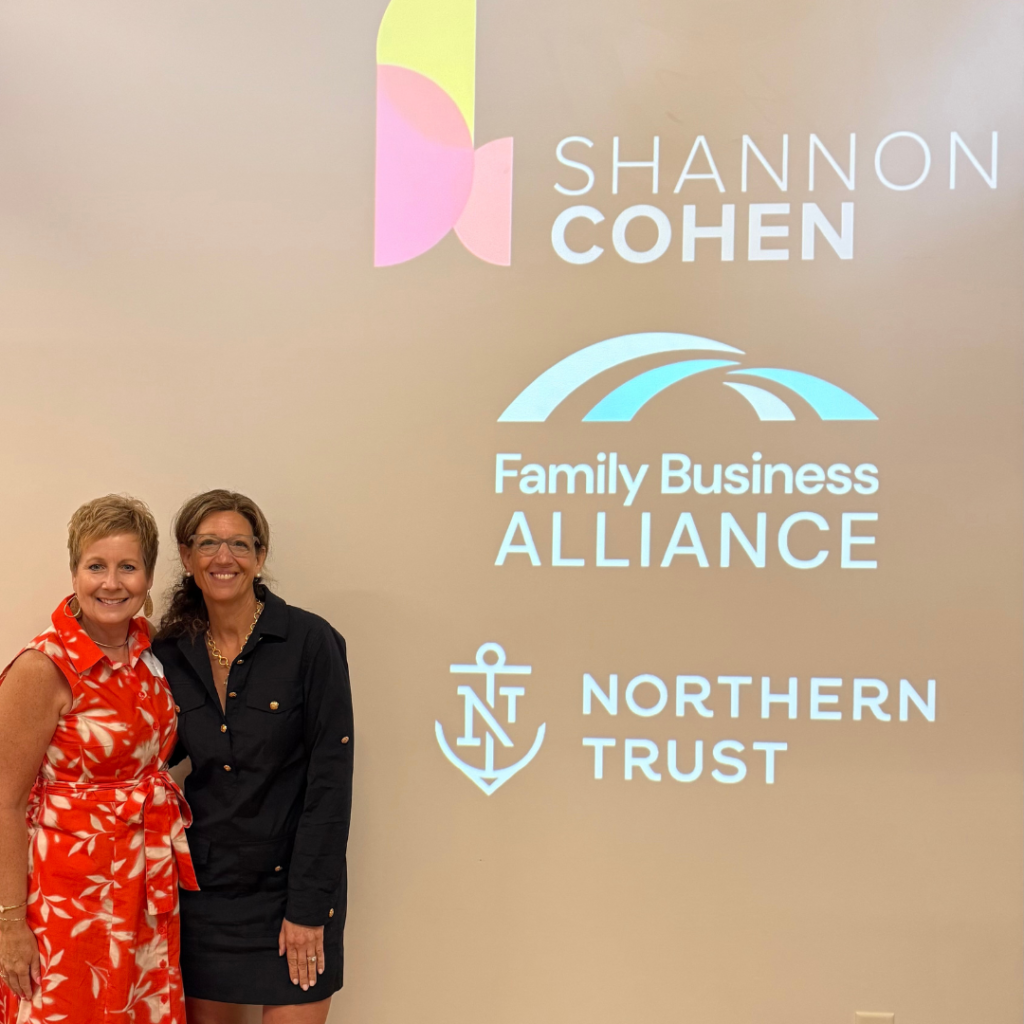
Welsh & Associates’ CEO Sheri Welsh and Executive Search Consultant Alisha Welsh attended the Family Business Alliance’s annual TogetHER event in Grand Rapids this August.
This year’s event featured author, entreprenuer, and leader Shannon Cohen for an invigorating conversation surrounding the dual reality women leaders navigate every day.