As an executive recruiting firm with decades of experience successfully matching professionals and employers, one workplace habit we think deserves more conversation is the growing acceptance of profanity in the workplace.
When did swearing become a part of everyday conversation in professional settings?
An F-bomb gets dropped in the middle of a meeting. No one blinks.
A social media post includes profanity. People laugh, “like” it, and move on.
A leader peppers every other sentence with colorful language because that’s just “who they are.”
Somewhere along the way, profanity in the workplace became normal. The question we keep asking is: Should it be?
The way you communicate influences how potential employers, clients, and colleagues perceive your level of professionalism—often before they’ve even had a chance to evaluate your technical abilities.
If our goal is to avoid offending people, shouldn’t we also acknowledge that many employers and clients find profanity offensive?
Research suggests they do, and it offers an important reminder for those hoping to grow their career or pursue new opportunities.
A nationwide survey conducted by Harris Interactive© of more than 5,800 leaders and workers found that 81 percent of employers believe the use of profanity in the workplace negatively impacts their perceived level of professionalism. Additionally, 71 percent noted a concern with the employee’s lack of control, 68 percent cited a demonstrated lack of maturity, and 54 percent referenced a lack of intelligence, all related to the use of profanity in professional settings.
The survey also identified that more than half of all respondents said they’d be less likely to promote an employee whose office vocabulary includes profanity.
Even if you’re not directly leading a team in your current role or applying for leadership positions, your communication style contributes to your overall reputation in the industry. Colleagues notice. Managers notice. Future employers often notice as well.
Most of us have been asked to complete some form of workplace communication training in order to be respectful and courteous to those around us. We utilize inclusive language. We carefully choose our words to avoid offending others. We steer clear of topics that unnecessarily divide people. We learn and train teams on emotional intelligence, psychological safety, and respectful environments.
Why?
Because words matter.
So why does profanity get a free pass?
The way you communicate influences how colleagues, clients, and company executives perceive your level of professionalism.
If our goal is to avoid offending people, shouldn’t we also acknowledge the possibility that many potential employers find profanity offensive, even if they don’t explicitly state it?
The language we use becomes the language that others believe is acceptable. If we normalize profanity, we shouldn’t be surprised when it becomes part of meetings, client interactions, emails, and everyday conversations.
Here’s a simple question every professional should ask:
If your CEO, manager, or biggest client walked into the room, would you continue speaking exactly the way you are now?
If the answer is no, perhaps you already recognize there’s a difference between casual conversation and professional communication.
This isn’t about pretending people never swear. It’s about recognizing that professionalism still matters.
If your goal is to grow in your current career, or you’re in the midst of preparing for your next opportunity, consider a few small habits:
- Reserve casual language for casual settings. Out to dinner with friends? That’s your opportunity to speak freely in a non-judgmental environment. In a full-staff teams meeting? It’s better to leave the curse words at home.
- Match your communication style to the audience and environment. When in doubt, follow the leader. If you work in an office where profanity is normalized and even your CEO drops an F-bomb every now and then, you might feel more relaxed doing the same. However, don’t let that carry over into your client meeting where the audience may not appreciate the same carefree approach.
- Let your expertise leave the strongest impression, not your vocabulary. When networking, interviewing for new positions, or speaking with prospective clients, keep communication professional to ensure they remember you for what you contributed to the conversation, not how many curse words accompanied your thoughts.
- Remember that professionalism is reflected in everyday conversation, not just through your resume. Managers might look at your resume once or twice. Your colleagues and clients likely never will. How you interact with others every day is how you’ll be remembered.
Small details like daily conversation may seem insignificant in the grander scheme of things, but it is often one of the strongest contributors to the overall impression you leave with employers. In an increasingly competitive job market, professionalism remains one of the easiest ways to stand out.
Maybe we’ve become so accustomed to profanity that we’ve stopped noticing it.
Or maybe it’s time we started expecting something better from ourselves and from the leaders who set the tone for our workplace culture.
Technical skills might open the door, but your reputation and level of professionalism help you stand out. If you’re preparing for your next interview, considering a career change, or simply want to position yourself for future opportunities, Welsh & Associates is here to help you put your best foot forward.
STAFF SPOTLIGHT
Spencer Welsh Promoted to VP
Spencer Welsh was recently promoted to Vice President of Welsh & Associates.
Spencer joined the company in 2019 as an Executive Search Consultant. Since then, he has played an integral role in our firm’s growth, connecting organizations with exceptional talent while building trusted relationships across Michigan. His commitment to delivering results and passion for our community have helped shape the future of our company.

firm highlight
Family business alliance’s together
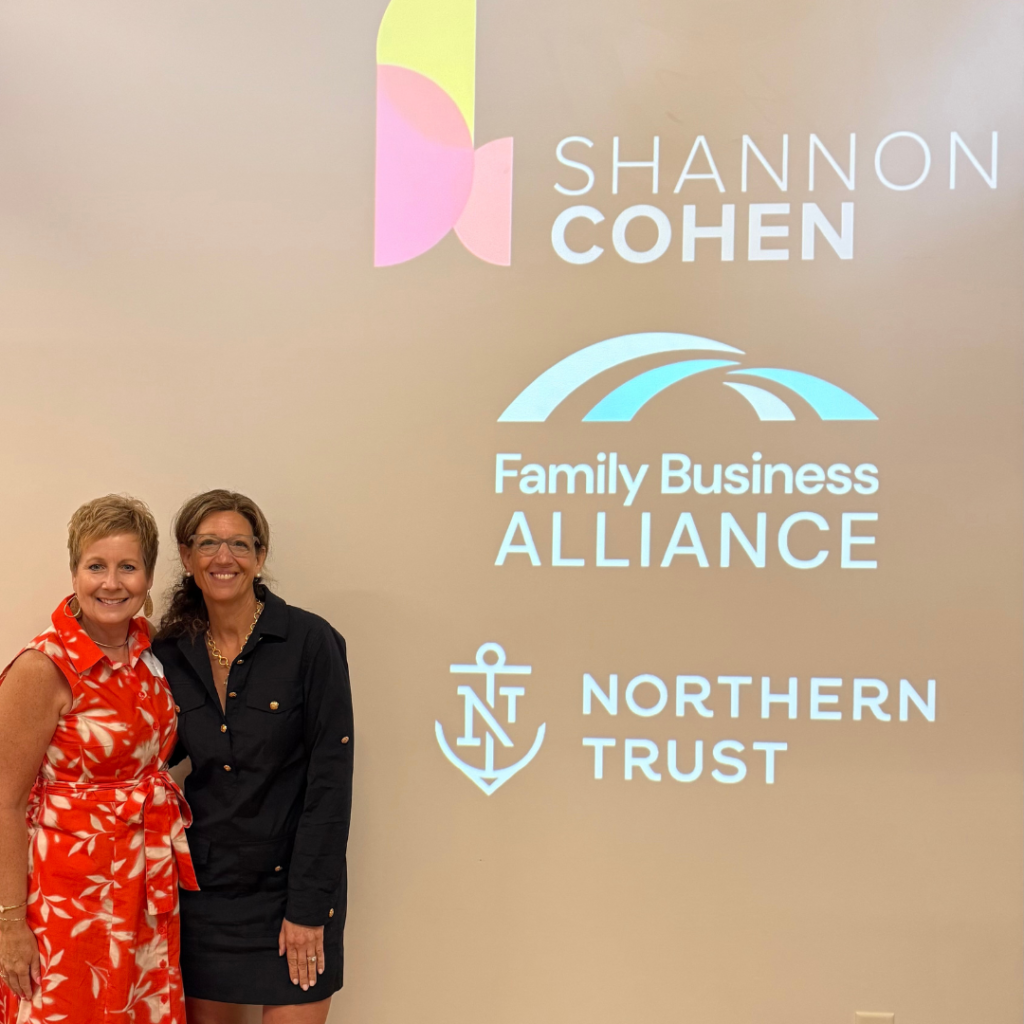
Welsh & Associates’ CEO Sheri Welsh and Executive Search Consultant Alisha Welsh attended the Family Business Alliance’s annual TogetHER event in Grand Rapids this August.
This year’s event featured author, entreprenuer, and leader Shannon Cohen for an invigorating conversation surrounding the dual reality women leaders navigate every day.